
Essential Wedding Planning Checklist for the big day!


Planning a wedding is an exciting journey. It’s a time filled with love, joy, and anticipation. But it can also be overwhelming.
A wedding planning checklist is your best friend. It helps you stay organized and on track. With so many details to manage, a checklist ensures nothing is forgotten.
From the moment you say “yes” to the final “I do,” there are countless tasks to complete. Each step is crucial to creating your dream day.
Starting early is key. Ideally, begin planning 12-18 months in advance. This gives you ample time to make decisions without stress.
Budgeting is another essential part of the process. A clear budget helps avoid financial surprises. It guides your choices and keeps spending in check.
Choosing a date and venue are among the first big decisions. These set the tone for your entire wedding.
Whether you hire a planner or go it alone, a checklist is invaluable. It’s your roadmap to a successful wedding day.
Why You Need a Wedding Planning Checklist
A wedding planning checklist isn’t just helpful—it’s essential. Managing wedding details can be stressful without a clear plan. Having a checklist simplifies everything.
This tool guides you step by step. It lays out tasks in an organized manner. You’ll know what to do and when to do it, reducing surprises.
Every wedding has hundreds of details to consider. From booking vendors to finalizing the guest list, a checklist ensures nothing is missed. It’s your safety net.
With a comprehensive checklist, you can:
- Keep track of vendors and bookings
- Manage your budget effectively
- Coordinate with your wedding party
- Stay on schedule with tasks
Using a visual aid like a wedding planning list helps you see the big picture. It breaks down complex tasks into manageable steps.

This approach not only helps complete tasks efficiently but also decreases stress. You’ll spend less time worrying and more time enjoying the planning journey.
Engagement to Wedding: The Ultimate Timeline Overview
Planning a wedding involves many stages, each with its tasks. An engagement to wedding timeline helps manage these effectively. This timeline is an essential tool for your planning journey.
Starting early is key. Most couples begin planning 12-18 months in advance. This allows ample time to handle every detail, big and small.
The wedding planning checklist timeline organizes tasks chronologically. You will address key milestones at the right times. This ensures a steady pace and avoids last-minute stress. The timeline includes:
- Setting a budget and guest list
- Booking venues and vendors
- Finalizing attire and theme
- Sending invitations
- Planning pre-wedding events
Each step brings you closer to your dream day. A structured timeline serves as your roadmap. It offers clear direction from engagement to the aisle.

Sticking to the timeline means tasks don’t pile up. You’ll enjoy the process and savor each moment. With careful planning and time management, your wedding journey will be memorable and enjoyable.
12-18 Months Before the Wedding: Laying the Foundation
The journey to your wedding day begins long before the big day. Laying a strong foundation in the early stages is crucial. It sets the tone for a smooth and enjoyable experience.
Begin by envisioning the kind of wedding you desire. Discuss with your partner what reflects your personalities and shared values. Consider the size and style—intimate or grand, traditional or modern.
Setting a budget early on is paramount. It guides your choices and keeps expenses in check. Allocate funds for major components like venue, attire, and catering. Be realistic about what fits within your financial means.
Compiling a guest list is another early priority. Knowing the approximate number of attendees helps with venue selection and budgeting. It also influences many other decisions, such as catering and invitations.
Early Action Steps:
- Create a budget plan: Allocate funds to different wedding aspects.
- Draft a preliminary guest list: Consider friends and family.
Choosing a wedding date and venue follows soon after. These are key decisions that impact all future planning. Popular venues often book up a year or more in advance, so early action is crucial.
Consider hiring a wedding planner or coordinator. Their expertise can ease the process, manage logistics, and bring your vision to life. A professional can be invaluable, especially for larger or more complex weddings.
Additional Considerations:
- Research potential venues: Visit in-person if possible.
- Consider hiring professionals: Decide on the need for a wedding planner.
Start exploring different themes and color schemes. These choices will guide your decor, attire, and overall aesthetic. Visualize how these elements will come together to create your dream celebration.

With these foundational steps in place, you’re well on your way to a well-organized and successful wedding planning experience. Stay flexible and enjoy the journey, remembering that each step brings you closer to your special day.
9-12 Months Before: Securing Key Details
With your wedding foundation set, it’s time to dive into crucial details. This phase involves significant decisions that solidify the vision of your big day. Attention to these details will ensure everything falls into place seamlessly.
First, confirm your wedding venue and date. This confirmation allows you to book other vendors who rely on this information. Popular dates and venues book fast; secure them as soon as possible.
Next, focus on hiring essential vendors. Caterers, photographers, and florists should be high on your list. Their availability can affect your wedding’s overall success, so booking them early is wise.
Vendor Priorities:
- Catering services: Discuss meal options and tasting sessions.
- Photography and videography: Check portfolios and compatibility.
Don’t forget about wedding attire. Begin your search for the perfect wedding dress, groom’s suit, and attire for the wedding party. Allow time for fittings and alterations, ensuring everything fits perfectly on the day.
Begin planning your engagement timeline and invitation designs. Save-the-dates and invitations set the tone for your event. Ensure you have a cohesive design that matches your theme and color scheme.
Invitations and Attire:
- Design and order invitations: Reflect your theme.
- Plan and select your attire: Schedule fitting appointments early.
You may also consider a wedding website. This online hub provides guests with vital information, like venue directions, accommodations, and a registry link. It’s a modern solution for keeping everyone informed and engaged.

Finally, continue refining your wedding planning timeline. This is an evolving document that tracks tasks and deadlines. Adjust it as necessary to stay organized and on top of your planning process. With these steps, you’re securing key details that ensure a smooth journey toward your wedding day.
6-9 Months Before: Bringing Your Vision to Life
As the date draws nearer, your wedding vision begins to materialize. This period is about adding personal touches and confirming key elements that showcase your unique style. Focus on creative aspects that bring joy and excitement.
First, finalize your wedding theme and color scheme. These choices impact everything from decorations to floral arrangements. Consistency in these elements sets a harmonious tone for your celebration.
Next, dive into decor details and rentals. Consider elements such as tables, chairs, linens, and lighting. These items contribute significantly to the ambiance of your venue.
Decor and Rentals:
- Tables and chairs: Choose styles that reflect your theme.
- Linens and lighting: Enhance the venue’s atmosphere.
During this phase, finalize your entertainment choices. Whether it’s a DJ, band, or solo musician, ensure they match your music preferences. Share must-play and do-not-play lists to avoid any surprises.
Consider your menu and cake tasting sessions. Sampling options is both practical and enjoyable. Ensure your selections cater to a variety of guest preferences and dietary needs.
Entertainment and Catering:
- Book and brief the entertainment: Align on playlists.
- Plan menu details: Attend tastings with your caterer.
Turn your focus to your bridal party. Plan fittings for bridesmaids and groomsmen. Coordinating attire enhances group photos and ensures uniformity among the party.

Finally, organize transportation details. This includes arranging transportation for the wedding party and considering guest travel needs. A seamless travel plan reduces stress and ensures everyone arrives punctually. By aligning all these elements, your wedding vision truly starts to blossom, reflecting your personality and style.
4-6 Months Before: Finalizing Plans
With just a few months to go, it’s time to dive into the finer details. This phase is crucial for ensuring everything aligns smoothly, allowing for minor adjustments if needed. Focus on organizing the essential aspects that require your attention.
Start by confirming all vendor arrangements. Double-check contracts and ensure services and costs remain unchanged. This guarantees a clear agreement between you and your vendors.
Turn your attention to invitations and stationery. By now, your invitations should be designed and ready to send. Double-check the details before mailing them to guests.
Vendor and Invitation Tasks:
- Review vendor contracts: Ensure terms are clear.
- Final proof of invitations: Check for any errors.
Next, plan the ceremony specifics. Finalize the order of events with your officiant. Incorporate any cultural or personal touches to make the ceremony uniquely yours.
Consider preparing for any rehearsal activities. Coordinate the timing and logistics with the wedding party. This rehearsal ensures everyone knows their role during the big day.

Focus on your personal preparations too. Schedule hair and makeup trials, and decide on your final look. Confirm appointments to avoid any last-minute rush.
Personal and Ceremony Preparations:
- Book hair and makeup trials: Decide final styles.
- Plan for rehearsals: Set time and roles.
In these months, you also need to confirm accommodation arrangements for guests. Ensure hotel blocks remain available and share details with attendees. By addressing these final plans, you set a solid foundation for a successful and stress-free event.
2-4 Months Before: Confirmations and Details
As the wedding day approaches, confirming every detail becomes essential. This period is about double-checking arrangements and ensuring no surprises arise at the last moment. It’s also a great time to address any remaining questions.
Begin by confirming final headcounts with caterers and venues. Relay any dietary requirements or special requests, giving them ample time to prepare. This step ensures the day caters perfectly to everyone’s needs.
Simultaneously, start planning the seating chart. Consider grouping guests to create an enjoyable atmosphere. This can be a bit of a puzzle but is crucial for the reception’s flow.
Confirmations:
- Finalize headcounts with caterers: Communicate dietary needs.
- Establish seating arrangements: Optimize guest interactions.
Pay attention to your wedding attire and accessories. Schedule final fittings and adjustments to ensure your gown or suit fits perfectly. Double-check that bridesmaids and groomsmen are also on track with their attire.
Consider organizing transport logistics. Arrange transport for the wedding party and confirm any shuttles needed for guests. This aspect is often overlooked but crucial for smooth transitions.

Details:
- Conduct final dress/suit fittings: Ensure perfect fit.
- Arrange transportation logistics: Confirm schedules and routes.
Don’t forget to fine-tune your wedding day timeline. Coordinate with all parties involved for seamless execution. These vital confirmations safeguard your day against unforeseen hiccups.
1 Month Before: The Final Countdown
The last month before your wedding marks the final countdown. It’s the period to tie up loose ends and focus on the smaller, yet significant, details. Checking off tasks now will minimize stress as the big day approaches.
Ensure that all vendor arrangements are finalized. This includes confirming delivery times for flowers, rentals, and the cake. Vendors appreciate a courtesy call to reassure them that everything is in order.
Next, focus on personal touches for your wedding. Write your vows if you’re opting for a custom ceremony. These personal declarations add an intimate touch to your celebration.
Final Arrangements:
- Confirm vendor timings and deliveries.
- Touch base with band/DJ and photographers.
It’s also time for a beauty regimen to ensure you look and feel your best. Schedule hair and makeup trials if you haven’t already. This is the perfect opportunity to test and tweak your wedding day look.
Revisit and rehearse your wedding day timeline. Allocate ample time for setup and breakdown. Involve your wedding party so everyone knows their roles.
Personal Touches:
- Write and rehearse vows.
- Complete final beauty preparations.

These steps will ensure that your wedding unfolds seamlessly and beautifully.
1-2 Weeks Before: Last-Minute Prep
As your wedding day approaches, final preparations are crucial. Begin with assembling your essentials. Gather items for your wedding day emergency kit, including sewing supplies and first aid items. This will ensure you’re ready for any mishaps.
It’s also time to pack your bags for your honeymoon. Double-check that you have all travel documents and booking confirmations. This helps prevent any last-minute panics.
Ensure all payments and tips for vendors are prepared. Place them in clearly labeled envelopes to distribute smoothly on the day. This saves time and avoids confusion.
Last-Minute Checklist:
- Assemble a wedding day emergency kit.
- Pack for the honeymoon.
- Organize payments and tips for vendors.

Stay in touch with your wedding planner to address any lingering questions or concerns. Their expertise can guide you through any uncertainties. With everything set, allow yourself moments to relax and savor this exciting time.
The Day Before and Wedding Day: Your Big Moment
The day before the wedding is all about preparation and relaxation. Begin by confirming all arrangements with vendors. Ensure that deliveries and setups will go off without a hitch.
Spend time rehearsing your ceremony with the wedding party. This solidifies everyone’s roles and reduces jitters. Familiarize yourself with the venue one last time.
Schedule some leisure time in the evening. Whether it’s a soothing bath or a light-hearted gathering with close friends, take moments to unwind.
Day Before Checklist:
- Confirm vendor arrangements.
- Rehearse the ceremony.
- Relax and get an early night.

On the wedding day, stick to a timeline. Make sure you eat a light but nutritious breakfast to keep your energy up. Hydrate well as you start getting ready.
Delegate tasks to your wedding planner or trusted friend. This ensures any issues are handled promptly, leaving you to enjoy the day.
Wedding Day Checklist:
- Follow the timeline.
- Eat breakfast and stay hydrated.
- Delegate tasks to helpers.
After the Wedding: Wrapping Up and Thank Yous
Once your joyous day has passed, it’s time to wrap things up. Start by collecting all personal items and decorations from the venue. This helps avoid additional fees or losses.
Focus on expressing gratitude to those who made your day special. Send out thank-you notes to guests and vendors within a month. Personalizing each note shows appreciation and acknowledges their support.
Take care of financial matters too. Ensure all vendor payments are complete. Review contracts to settle any outstanding balances.
Post-Wedding Checklist:
- Collect personal items from the venue.
- Send thank-you notes.
- Finalize vendor payments.

Printable Wedding Planning Checklists & Templates (PDFs and Downloads)
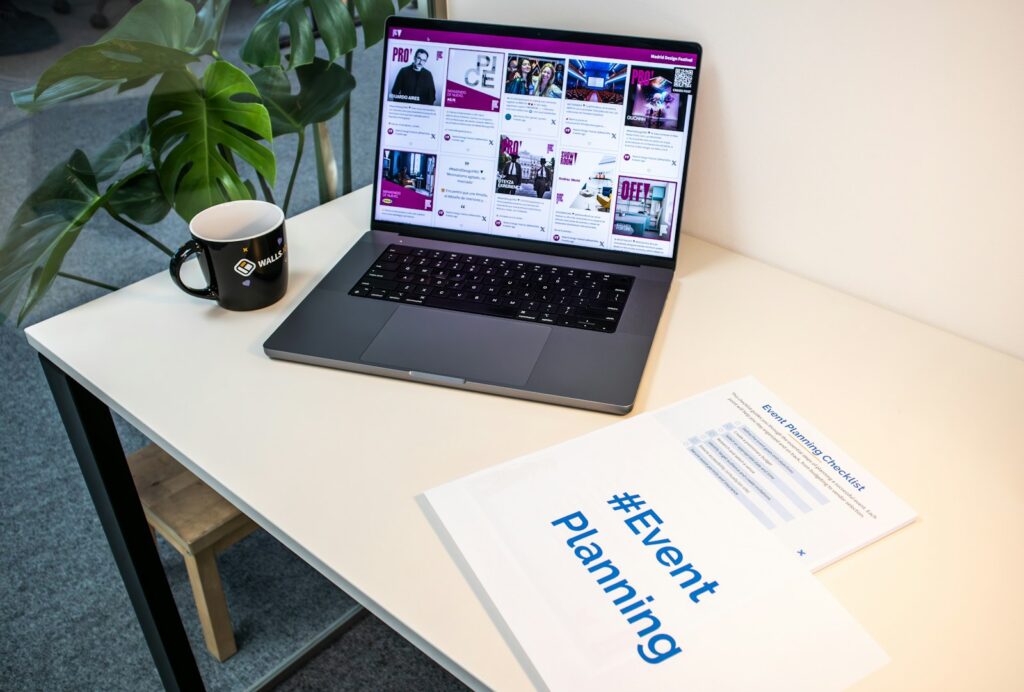
Organizing a wedding involves countless tasks. Printable wedding planning checklists and templates can ease this process. These checklists help you stay on track and reduce stress.
You can find many free printable resources online. These tools cover everything, from initial planning to the final details. They provide a structured approach, ensuring nothing gets overlooked.
Explore different templates and find one that suits your style. Whether it’s digital or paper, a visual guide can be incredibly helpful. You’ll appreciate the convenience of having everything in one place.
Useful Printable Checklists:
- Wedding planning to-do list
- Bridal planning checklist
Helpful Templates:
- Wedding coordinator template
- Wedding arrangements checklist


Tips for Staying Organized and Stress-Free
A stress-free wedding starts with organization. Establish clear timelines and stick to them. This ensures every task gets completed on time.
Break down the planning into smaller tasks. This makes the entire process feel less daunting. Celebrate small achievements to keep motivation high.
Utilizing tools and technology can be a game-changer. Digital apps can help manage guest lists, budgets, and timelines. These tools offer reminders and updates, keeping you informed and organized.
Essential Organization Tips:
- Prioritize tasks and set deadlines.
- Delegate responsibilities to trusted friends or family.
- Keep all wedding-related documents in one accessible location.
Taking time to relax is vital. Rest and self-care lead to better decision-making. Remember, this is your special day—enjoy the journey.

Frequently Asked Questions About Wedding Planning Checklists
Many couples have questions about wedding planning checklists. Let’s address some of the most common inquiries to help guide your planning process.
What should be included in a wedding planning checklist? A good checklist includes everything from budget setting to venue booking and guest invitations. It should cover every aspect of your wedding journey.
When should I start using a wedding checklist? Ideally, begin using a checklist as soon as you get engaged. This helps in organizing your engagement timeline and ensures nothing is overlooked.
How can I customize a wedding checklist to fit my needs? Personalization is key. Customize your checklist based on your wedding size, style, and location. This ensures the list supports your unique vision.
Common FAQ Key Points:
- Start early for maximum effectiveness.
- Personalize to suit your specific wedding details.
- Include a comprehensive range of tasks for thorough preparation.
A well-organized checklist keeps stress at bay and ensures a celebration to remember. Embrace the process and enjoy each milestone.
Conclusion: Celebrate Your Success
Congratulations on navigating the thrilling journey of wedding planning. You’ve invested time, creativity, and passion into creating the perfect day. Each decision and checklist task has brought you to the heart of your celebration.
Reflect on the memories you’ve created leading up to this day. Celebrate the efforts of everyone who played a part. It’s a collective achievement deserving of joy and gratitude. Knowing you’ve carefully planned each detail can help you to fully enjoy the moment.
Take a deep breath, relax, and cherish the love surrounding you. Embrace the joy as you step into this new chapter, surrounded by friends and family who support you. Celebrate not just your wedding day, but also the journey and efforts that made it happen.

FAQ Section
Frequently Asked Questions About Wedding Planning Checklists
What should be included in a wedding planning checklist?
A comprehensive wedding planning checklist should cover budget setting, venue booking, guest list management, vendor coordination, attire selection, invitation planning, and event timelines to ensure no detail is overlooked.
When should I start using a wedding checklist?
Start using a wedding checklist immediately after your engagement. Ideally, begin 12–18 months before your wedding to stay organized and avoid last-minute stress.
How can I customize a wedding checklist to fit my needs?
Customize your checklist by considering your wedding’s size, style, location, and cultural elements. Personalized wedding planning templates help prioritize tasks based on your unique vision.
Are printable wedding planning checklists useful?
Yes, printable wedding planning templates provide a visual, tangible way to track progress. They ensure you don’t miss important steps and are easy to share with your planning team.
How can I stay stress-free during wedding planning?
Stay stress-free by starting early, breaking tasks into smaller steps, using digital wedding planning apps for organization, setting clear deadlines, and delegating responsibilities when possible.
How can I customize a wedding checklist to fit my needs?
Customize your checklist by considering your wedding’s size, style, location, and cultural elements. Join the Set The Date community to find inspiration and planning tips from real couples.
When should I start using a wedding checklist?
Start using a wedding checklist app immediately after your engagement. Ideally, begin 12–18 months before your wedding to stay organized and avoid last-minute stress.



Responses