
12-Step Event Management Checklist for Success

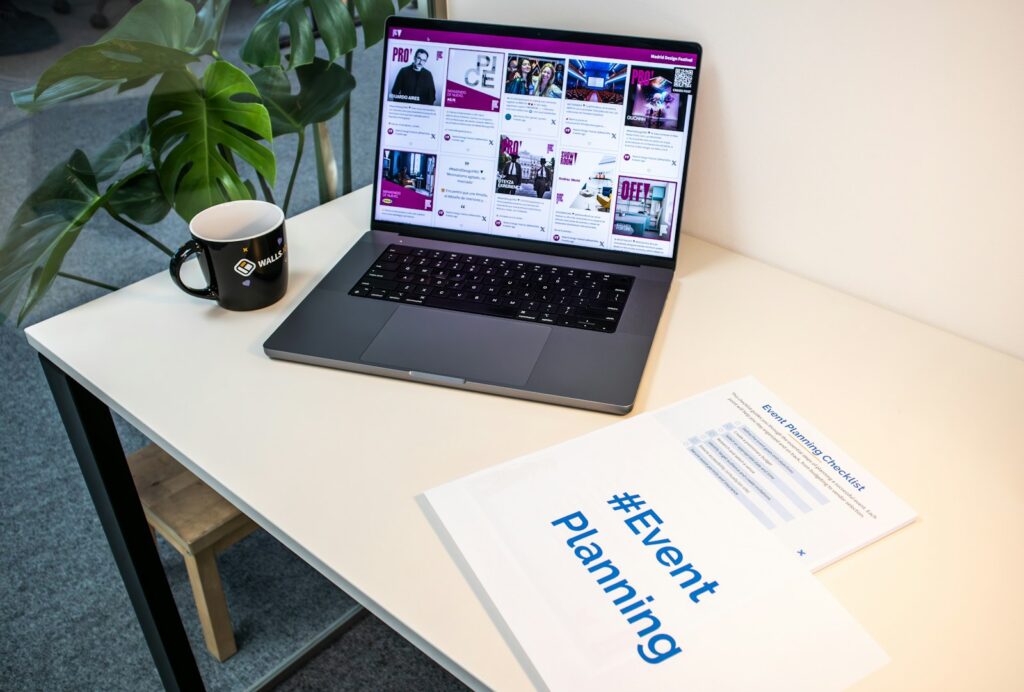
Planning and executing a successful event is a complex task that requires meticulous organization, careful planning, and attention to detail.
Enter the Event Management Checklist
A comprehensive event management checklist is an invaluable tool for event planners, coordinators, and managers, ensuring no detail is overlooked.
From defining the event’s purpose to post-event evaluation, a well-crafted Event Management Checklist guides you through each step. It helps you stay on track, meet deadlines, and deliver a memorable event.
Whether you’re planning a corporate function, a luxury hotel event, or a large-scale festival, this guide will provide you with an essential event management checklist for success.
Let’s dive in and explore the key components of an effective event management checklist.
1. Understanding the Purpose and Objectives of Your Event
Defining the purpose of your event is crucial. It sets the foundation for all other planning activities.
Start by asking, “Why is this event being held?” This will guide the entire planning process.
Clearly outlined objectives help measure the success of the event. They provide a clear aim to strive towards.
Moreover, knowing your event’s purpose ensures the alignment of all activities. This keeps the event focused and coherent.
An effective way to establish your event’s purpose is through a simple list.
- Identify the primary goal: networking, education, or celebration.
- Determine specific outcomes you want to achieve.
- Consider how the event fits within larger organizational goals.
When the purpose and objectives are clear, it becomes easier to make decisions. Every decision from budgeting to marketing will reflect these aims.
This clarity enhances the overall effectiveness of your event planning. It ensures that all team members are on the same page.
Remember, a clearly defined purpose is the cornerstone of a successful event. It paves the way for all subsequent planning steps.
2. Establishing a Realistic and Comprehensive Budget on you Event Management Checklist
Budgeting is a critical step in event planning. A well-thought-out budget prevents overspending and financial strain.
Begin by estimating all potential costs. Include venue, catering, decor, and marketing expenses in your budget.
A comprehensive budget should also account for unexpected expenses. This allows for flexibility should unexpected costs arise.
It’s essential to prioritize spending on elements critical to your event’s success. Focus funds where they are most needed.
Tracking expenses is crucial to staying within budget. Use tools or software to monitor your financial allocations.
Here is a suggested list to aid in budget creation:
- Calculate costs for venue rental and equipment.
- Include fees for speakers, performers, and staff.
- Set aside funds for marketing and promotion.
- Estimate catering and beverage expenses.
- Allocate money for unexpected costs, like last-minute changes.
Budgeting isn’t just about numbers. It requires foresight and strategic planning. It impacts every part of your event management.
A detailed budget, regularly updated, helps keep financial planning in line. This guarantees financial discipline throughout the preparation timeline.
Always adjust the budget based on changing circumstances to ensure financial health. Thoughtful budgeting is the backbone of a successful event.
Use software tools such as this event budget planner to monitor expenses, adjust as needed, and maintain financial discipline throughout the event lifecycle.
3. Crafting a Detailed Event Preparation Timeline
A detailed event preparation timeline is key for organized planning. It guides you through each task to ensure nothing is missed for you event management checklist.
Start by setting the event date. Work backward from this date to identify all key tasks and deadlines. You event management checklist should start with figuring out who can attend. Who are the key people?
This strategy helps break down the planning into manageable stages. Assign timeframes to each task for a structured approach.
Include every phase, from venue booking to post-event assessments. Such planning helps keep track of all responsibilities.
Consult an event planning list to cross-check tasks. This ensures all aspects, big and small, are accounted for.
Below is a typical preparation timeline format:
- 12-6 months prior: Choose a date, set objectives, book venues.
- 6-3 months prior: Finalize vendors, launch marketing activities.
- 3-1 month prior: Confirm guests, coordinate with all providers.
- 1 week prior: Conduct a site visit, finalize event schedule.
- Day before: Set up venue, conduct last-minute checks.
- Day of event: Implement day-of event checklist, ensure smooth operations.
Regularly update your timeline as the event approaches. Flexibility with your schedule accommodates unforeseen adjustments.
A robust timeline ensures smoother coordination among stakeholders. It also helps in meeting deadlines without stress.
This structured approach ultimately aids in delivering a successful event on time and within scope.
4. Selecting the Perfect Date and Venue
Choosing the right date and venue is critical to an event’s success. Start by considering the availability of your target audience. This ensures maximum attendance for your event.
Research potential dates thoroughly. Avoid holidays or major local events that may compete for attention. Look for days with minimal conflicts for your expected guests.
Once you’ve selected a few potential dates, begin scouting venues and add them to your event management checklist. Prioritize venues that suit your event’s size and atmosphere. Location, accessibility, and capacity are key factors when evaluating options.
Consider logistical needs like technology, catering, and parking. A venue that accommodates these needs simplifies planning. Always confirm the venue’s services and restrictions before finalizing.
Consider using tools like Set The Date to simplify this decision-making process.
To help with the decision, here’s a quick checklist:
- Availability: Confirm the date and venue align.
- Capacity: Check if the venue holds expected guests comfortably.
- Accessibility: Ensure it’s easy for attendees to reach.
- Facilities: Verify that necessary amenities are available.
After narrowing down, visit each venue in person. This reveals any details or issues not evident in photos or reviews.
Ultimately, a well-considered date and venue set the foundation for event success. They influence attendance, enjoyment, and the overall event atmosphere.
5. Knowing Your Audience: Catering to Their Needs
Understanding your audience’s needs enhances their event experience. Start by gathering detailed information about your attendees. Consider demographics, interests, and preferences.
Conduct surveys or focus groups if possible. This provides valuable insights into what your audience expects and values at an event. Use these findings to tailor your event content and activities accordingly.
Customizing elements like seating arrangements, food, and entertainment shows attention to detail. This personalization significantly boosts audience engagement. When selecting refreshments, consider dietary restrictions and cultural preferences.
Communication is also key. Keep your audience informed through preferred channels, be it email, social media, or direct invitations. This ensures they feel valued and connected.
Ultimately, knowing your audience helps create a memorable and successful event. Tailoring the experience to their interests and needs makes all the difference.
6. Creating a Blueprint: The Event Plan Sample
An effective event plan serves as the backbone of successful execution. It acts as a detailed blueprint that guides every aspect of the event. Start by outlining the major objectives and goals.
Include essential components like timelines, budgets, and resource allocations. This ensures all team members are on the same page. A well-crafted event plan aligns the entire team towards a common goal.
A sample event plan might include:
- Objectives and key outcomes
- Budget breakdown
- Timeline and deadlines
- List of necessary resources
- Roles and responsibilities
Customize your event plan sample to suit the scale and nature of your event. It should be a living document, evolving as the event progresses. Regular updates and reviews are crucial for adapting to changes.
Communicate the plan clearly to everyone involved. This transparency reduces misunderstandings and enhances collaboration. An organized plan fosters confidence and minimizes stress, paving the way for a successful event.
7. Delegating Responsibilities: The Event Coordinator Checklist
Successful events rely on teamwork and clear role definitions. As an event coordinator, your event management checklist should ensure nothing gets overlooked. Focus on assigning tasks effectively to utilize everyone’s strengths.
Start by breaking down the event into key tasks and responsibilities. Assign tasks to team members based on their skills. This strategic delegation enhances efficiency and productivity.
Your event coordinator checklist should include:
- Task assignments and deadlines
- Communication protocols
- Supplier and vendor management
- Volunteer oversight
- Staff training and orientation
Effective communication is essential throughout the process. Regular check-ins and updates keep everyone in the loop. This helps in identifying and resolving issues promptly.
A well-prepared event coordinator checklist promotes collaboration and teamwork. It helps each team member understand their role clearly. This clarity makes the event planning experience smooth and cohesive.
8. The Ultimate Planning Checklist: Covering All Bases
A comprehensive planning checklist is crucial for a successful event. It acts as your roadmap, ensuring nothing is forgotten. This checklist should cover every detail, from start to finish.
Begin by listing all necessary tasks and prerequisites and map them out on your event management checklist. Consider both the big picture and the finer details. This helps in orchestrating a seamless event.
Your ultimate planning checklist might include:
- Venue booking and confirmations
- Catering and menu selections
- Audio-visual requirements
- Guest list management
- Decor and theme setup
- Transportation and parking arrangements
Think about incorporating contingency plans for unpredictable events. This could include weather changes or last-minute cancellations. Being prepared can save time and stress.
Regularly revisiting and updating your event management checklist is key. As the event progresses, new tasks may emerge. A dynamic list allows for flexibility and adaptability.
Consulting your checklist allows you to track progress and maintain organization. This structured approach ensures all team members are aligned. It’s the foundation upon which a memorable event is built.
9. Day-of Event Checklist: Ensuring a Smooth Execution
On the day of the event, your main goal is flawless execution. A day-of event checklist helps keep everything on track. It acts as your reference to ensure all is ready.
Preparation is key for managing the day’s tasks effectively. Confirm each item is completed as planned. Last-minute checks can catch potential issues early.
Your day-of event management checklist could include:
- Final venue inspection and setup confirmation
- Audio-visual equipment testing
- Vendor arrival and setup times
- Registration and guest check-in procedures
- Staff and volunteer briefings
- Emergency contact list distribution
Keep communication open between team members. This ensures everyone knows their responsibilities. Quick problem-solving becomes possible with clear communication.
Revisit the checklist throughout the day to maintain momentum. Checking off items offers reassurance and focus. Your attention to detail reflects on the event’s success.
10. Event Logistics: The Backbone of Successful Event Management
Event logistics form the core structure of any well-run event. They ensure seamless movement and coordination of all elements involved. Ignoring logistics can lead to chaos and confusion.
Effectively managing logistics involves meticulous planning and organization. Begin by mapping out all logistical needs early. This helps you identify potential challenges before they arise.
Transportation logistics must be organized to ensure punctuality. Consider guest transportation and parking arrangements carefully. These factors are often overlooked yet crucial for smooth operations.
Logistics also encompass managing equipment and materials. Ensuring all necessary items are transported to and set up at the venue is vital. This includes audio-visual equipment, seating arrangements, and decorations.
A well-structured event logistics checklist might include:
- Venue layout and space allocation
- Equipment and technical support needs
- Transportation and parking arrangements
- Catering and refreshment logistics
- Signage and attendee guidance systems
- Security and crowd control measures
Attention to detail is paramount in event logistics. Don’t overlook factors like restroom facilities and waste management. Ensure you comply with safety and legal standards to avoid issues.
Effective communication and coordination among the logistics team ensure smooth execution. Regular updates and flexibility allow for adjustments as needed. Mastery of logistics plays a significant role in the success of an event.
11. Post-Event Evaluation: Measuring Success and Gathering Feedback
Post-event evaluation is vital for assessing the success and areas for improvement. It provides insights into what worked well and what didn’t. Conducting this evaluation ensures future events are better.
Start by gathering data from various sources. This includes attendee feedback, staff observations, and vendor performance. Collect both quantitative and qualitative data for a well-rounded view.
Feedback from attendees is especially valuable. Encourage participants to share their experiences. Surveys and feedback forms can be effective tools. Aim for specific and constructive insights.
Consider these key points during the evaluation process:
- Did the event meet its objectives?
- Was the event within budget?
- How was the attendee experience?
- Were there any logistical issues?
- What could be improved for next time?
Discuss the findings with your team. Use the feedback to refine your processes. Identifying strengths and weaknesses enhances planning for future events. Building on successes and learning from mistakes contributes to continuous improvement.
12. Special Considerations for Corporate and Luxury Hotel Events
Corporate and luxury hotel events require a different level of attention. These events often have specific demands and high expectations. Precision in execution is key to success.
Firstly, professionalism and brand alignment are crucial. Corporate events should reflect company values and brand identity. Ensure every detail supports these elements, from decor to communication.
Luxury hotel events demand an opulent experience. The venue’s ambiance and service quality must exude elegance. Collaborate closely with the hotel’s team to maintain consistent luxury standards.
Critical aspects to consider include:
- Venue capacity: Ensure it suits the guest list comfortably.
- Technology needs: Secure necessary A/V equipment.
- Branding opportunities: Incorporate company logos creatively.
- Guest experience: Provide premium hospitality services.
- Security: Implement enhanced security measures.
Stay vigilant with these considerations for such events. Successful management of corporate and luxury hotel events enhances reputation and client satisfaction. Tailor your planning strategy to meet these unique demands effectively.
Conclusion: The Path to Event Planning Mastery
Mastering event planning requires attention to detail, organization, and creativity. Following a comprehensive checklist ensures nothing is overlooked. Each event is unique but with preparation, any challenge is surmountable.
By utilizing structured guidelines, you refine your skills. This methodical approach leads to successful events and satisfied clients. Continue honing your craft for future victories.
Related Resources:




Responses