
Maximize Next Week: Effective Goal Planning


In the hustle and bustle of everyday life, it’s easy to lose sight of our goals. With strategic planning, however, we can ensure next week is productive and successful. In this article, we’ll explore how to effectively plan your goals and tasks for next week using calendars, and how setting clear goals leads to tangible results.
Why Planning Next Week Matters
A structured weekly plan is essential for staying organized and focused. By dedicating time to planning next week, you prioritize tasks, allocate your time effectively, and avoid last-minute stress.

Using Calendars to Plan Next Week
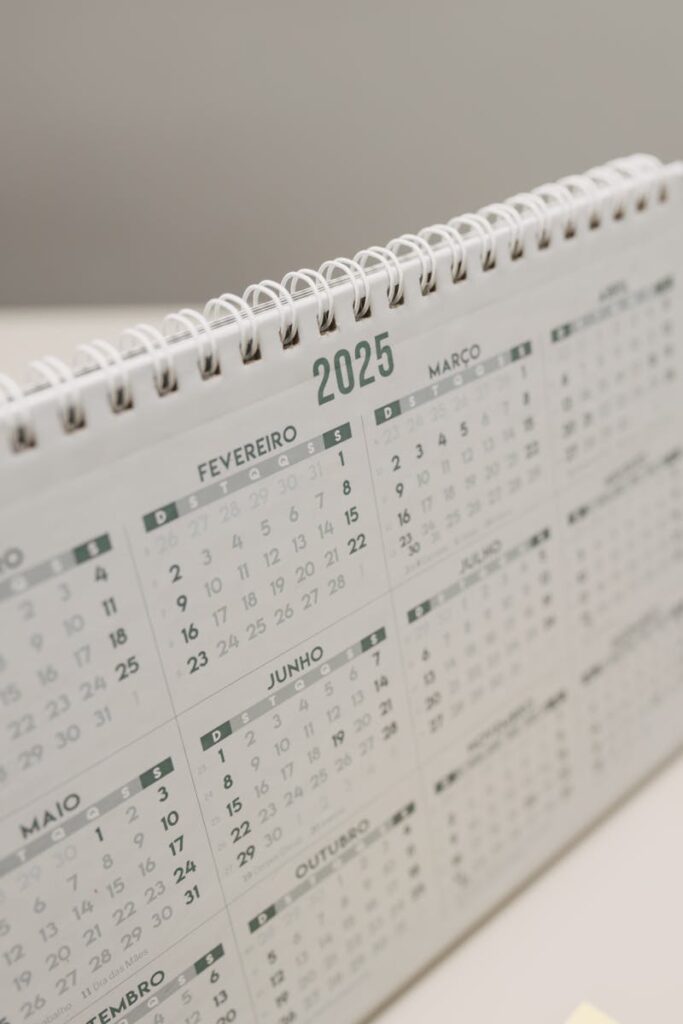
Calendars are crucial for organizing tasks, appointments, and deadlines for the upcoming week. They help visualize your week, ensuring important dates don’t slip through the cracks.
- Digital Calendars: Platforms like Google Calendar and Apple Calendar offer accessibility across multiple devices, perfect for real-time updates.
- Paper Calendars: Provide a tactile, tangible way to reinforce commitments by physically writing down tasks.
How to Set Clear Goals for Next Week
Clear, achievable goals are critical for productivity. Start by identifying your priorities:
- What must you accomplish by next Friday?
- Which tasks can be scheduled for later?
Follow these tips:
- Be Specific: Avoid vague goals. Instead of “Exercise more,” specify, “Go for a 30-minute walk every morning next week.”
- Set Deadlines: Assign specific dates for each goal to ensure accountability.
- Prioritize Tasks: Tackle the most important tasks first by blocking out dedicated time slots in your calendar.
Effectively Utilizing Your Calendar for Next Week
With your goals clearly outlined, here’s how to optimize your calendar:
Clearly Marking Next Week’s Important Dates
Mark significant events or deadlines clearly in your calendar to visually track obligations. For team scheduling and managing multiple calendars, check out our comprehensive Calendar Group guide.
Understanding Next Week’s Schedule
Knowing exactly when each day falls—such as confirming dates like the 25th or 31st—helps clarify planning.
Planning for Flexibility
Allow flexibility in your planning. Keep open slots for unexpected tasks or urgent adjustments.
Strategies for Maximizing Next Week
Employ these practical strategies to boost productivity:
Time Blocking for Next Week
Schedule specific time blocks for tasks:
- Tuesday morning: 2-hour block for writing.
- Followed by 1 hour for email responses.
Sunday Review for Next Week
Every Sunday, review your upcoming week:
- Confirm key dates like the 26th or 28th.
- Make necessary adjustments for unforeseen changes.
Setting Reminders
Set digital alerts or phone alarms for critical tasks, meetings, and deadlines to stay on track.
Overcoming Common Challenges for Next Week’s Planning
Anticipate and handle challenges proactively:
Handling Overcommitment
If feeling overwhelmed, reassess priorities. Postpone less critical tasks to focus on essentials.
Staying Motivated
Stay motivated by celebrating small successes and visualizing end goals clearly. Regularly remind yourself of the importance of each goal to maintain momentum.
Conclusion: Maximize Your Success Next Week
Strategically planning for next week enhances productivity and ensures you achieve your goals. Regular reviews and adjustments further refine your schedule, enabling optimal productivity. By following these strategies, you’ll ensure that each day counts toward your overarching goals. Here’s to maximizing success next week!
Explore further strategies for optimizing your team’s schedule with our Calendar Group guide.
The Importance of a Weekly Plan
A structured weekly plan is essential for staying organized and focused. By setting aside time to plan each week, you can prioritize tasks, allocate time effectively, and avoid last-minute stress. Here’s how you can make the most of your weekly planning sessions.

Why Use a Calendar?
Calendars are invaluable tools for organizing tasks, appointments, and deadlines. They help you visualize your week and ensure that no important dates slip through the cracks. Whether you prefer a digital calendar or a traditional paper one, using a calendar allows you to track your progress and adjust your plans as needed.
Digital Calendars: These offer the advantage of accessibility across multiple devices, allowing you to update your schedule on the go. Google Calendar and Apple Calendar are popular choices that integrate well with other apps and reminders.
Paper Calendars: For those who prefer a tactile experience, a physical calendar or planner can be just as effective. Writing things down can help reinforce commitments and make it easier to remember important tasks.
Setting Your Goals
When planning for the upcoming week, it’s crucial to set clear, achievable goals. Start by identifying your top priorities. What do you need to accomplish by next Friday? What tasks can be scheduled for later? Here are some tips to help you set effective goals:
- Be Specific: Avoid vague goals. Instead of “Exercise more,” try “Go for a 30-minute walk every morning.”
- Set Deadlines: Assign specific dates to your goals. If you need to prepare a presentation, decide when you will complete each step of the process.
- Prioritize Tasks: Determine which tasks are most important and tackle them first. Use your calendar to block out time for these high-priority tasks.
Using the Calendar to Your Advantage
Now that you have your goals set, it’s time to put them into your calendar. Here’s how to get started:
Understanding Your Calendar
Knowing the days of the week and their corresponding dates is the foundation of effective planning. For instance, if you’re wondering when the 22nd of this month falls, a quick glance at your calendar can tell you that it’s a Wednesday. Similarly, if you’re curious about next Friday, check your calendar to see what date it aligns with.
For those asking, “What day is the 25th on?” or “When is the 31st?” a calendar provides a straightforward answer, eliminating any confusion.
Marking Important Dates
Once you have a clear understanding of the upcoming week, mark significant dates on your calendar. Whether it’s a meeting on the 18th or a deadline on the 29th, visual reminders help you keep track of your obligations.

Planning for Flexibility
Life is unpredictable, and plans can change. When creating your weekly plan, allow for some flexibility. This might mean leaving some open slots in your calendar for unexpected tasks or adjusting your schedule if something more urgent comes up.
Strategies for a Productive Week
Here are some strategies to help you make the most of your week and achieve your goals:
Time Blocking
Time blocking involves scheduling specific blocks of time for different activities. This technique helps you focus on one task at a time and reduces distractions. For example, you might block off two hours on Tuesday morning for writing, followed by an hour for answering emails.
The Sunday Calendar Review
Set aside time each Sunday to review your calendar for the upcoming week. This practice helps you mentally prepare for the tasks ahead and ensures that nothing catches you off guard. During your review, check what day the 26th or 28th falls on, and make any necessary adjustments to your plan.
Setting Reminders
Reminders are a simple yet effective way to ensure you don’t forget important tasks. Set reminders for meetings, deadlines, or even personal goals like calling a family member. Whether you use a phone alarm or a digital calendar alert, reminders keep you on track.
Overcoming Planning Challenges
Even with the best planning, challenges can arise. Here’s how to overcome common obstacles:
Dealing with Overcommitment
It’s easy to overcommit, especially when setting goals. If you find yourself overwhelmed, reassess your priorities. Determine which tasks can be postponed and focus on what truly matters.
Staying Motivated
Staying motivated throughout the week can be challenging. To maintain momentum, celebrate small wins, and remind yourself why each goal is important. Visualizing the end result can also provide the motivation you need to keep going.

Conclusion
Planning for success requires dedication and strategic thinking. By utilizing calendars and setting clear goals, you can transform a hectic week into a productive one. Remember to review your plans regularly, adjust as needed, and celebrate your achievements along the way. With these strategies in place, you’re well on your way to a successful week!
By following these tips and using your calendar effectively, you’ll not only keep track of dates like the 25th and 29th but also ensure that you’re making the most of each day. Here’s to a well-planned, successful week ahead!




Responses